+919822500524
๐Ÿ”
WhatsApp Icon
Conference ยท Event Report

CSR 2.0

A National Consultation on Social Impact Assessment

Wednesday, 7 October 2026
2:00 pm โ€“ 5:30 pm
Grand Regal Hall, The Orchid Hotel, Balewadi, Pune

Organised by Primary Healthcare Foundation, in partnership with

Primary Healthcare Foundation CIMP Zilla Parishad Pune Karve Institute of Social Service
About the Conclave

Towards one national template for CSR impact

Section 135 of the Companies Act, 2013 makes Corporate Social Responsibility spending mandatory for qualifying companies, yet neither the Act nor its rules set out a standard way to assess the social impact of that spending. As a result, CSR reporting varies widely across funders, sectors and project types, making outcomes hard to compare and accountability hard to establish.

The CSR 2.0 Conclave was convened to address this gap. Policymakers, CSR funders, academic and field evaluators, financial regulators and district administrators came together to work towards a common, credible and nationally applicable assessment template, one that works equally for large and small funders, government bodies and non-profits, and urban and rural projects.

This page summarises the proceedings for delegates and partners. It is not a verbatim transcript and does not represent formal adoption of any framework by any organisation present.

Central Themes

Five questions the Conclave set out to answer

01

A common national template

Built on recognised evaluation standards and adapted to the Indian context.

02

SDG linkage

Linking every CSR project to the Sustainable Development Goals so spending can be tracked against national and global priorities.

03

Financial integrity

A traceable, verifiable path from funds released to outcomes achieved.

04

District convergence

Bringing district administrations into CSR so government and corporate efforts reinforce each other.

05

A national evidence repository

So lessons learned in one project can inform the next, anywhere in the country.

Programme

How the afternoon unfolded

  1. Registration & Welcome With an exhibition of partner initiatives
  2. Welcome Address Dr Manisha Palaskar, President, PHCF
  3. Context Setting Prof Rohan Sarma, Social Scientist and CSR & Sustainability Expert
  4. Address Dr Mahesh Thakur, Director, Karve Institute of Social Service
  5. Address Mr G. D. Patil, IAS, CEO, Zilla Parishad, Pune
  6. Keynote & Draft Framework Dr Bhaskar Chatterjee and Dr Debabrata Samanta
  7. Financial Integrity in CSR Dr Nitin Waghmode, IRS, Income Tax Commissioner
  8. Presentation Primary Healthcare Foundation
  9. Presentation Karve Institute of Social Service
  10. Open House Discussion Moderated by Prof Rohan Sarma
  11. Closing Remarks Dr Bhaskar Chatterjee
  12. Vote of Thanks Dr Manisha Palaskar
  13. High Tea
Session Highlights

What was presented and discussed

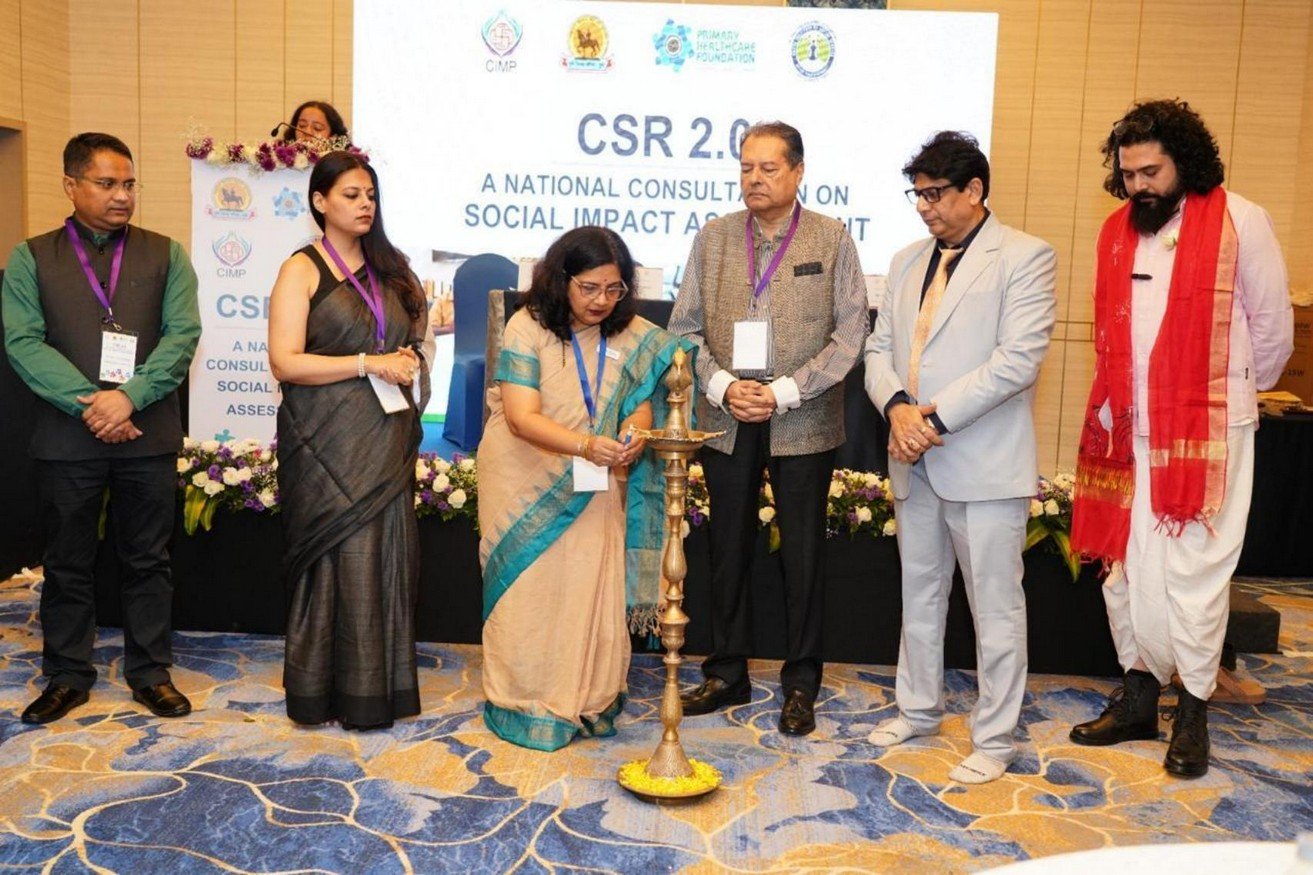
Ceremonial lamp lighting at the CSR 2.0 Conclave
The ceremonial lamp lighting that opened the Conclave

Inaugural Session

Dr Manisha Palaskar ยท Prof Rohan Sarma

Delegates were welcomed from 2:00 pm with a welcome kit and memento, alongside an exhibition of partner initiatives that stayed open through the afternoon. The Conclave formally opened with the lighting of the lamp by Dr Manisha Palaskar, President, PHCF, with the dignitaries on stage.

Dr Palaskar's welcome address was followed by context setting from Prof Rohan Sarma, who placed the day's agenda in perspective before the technical sessions began.
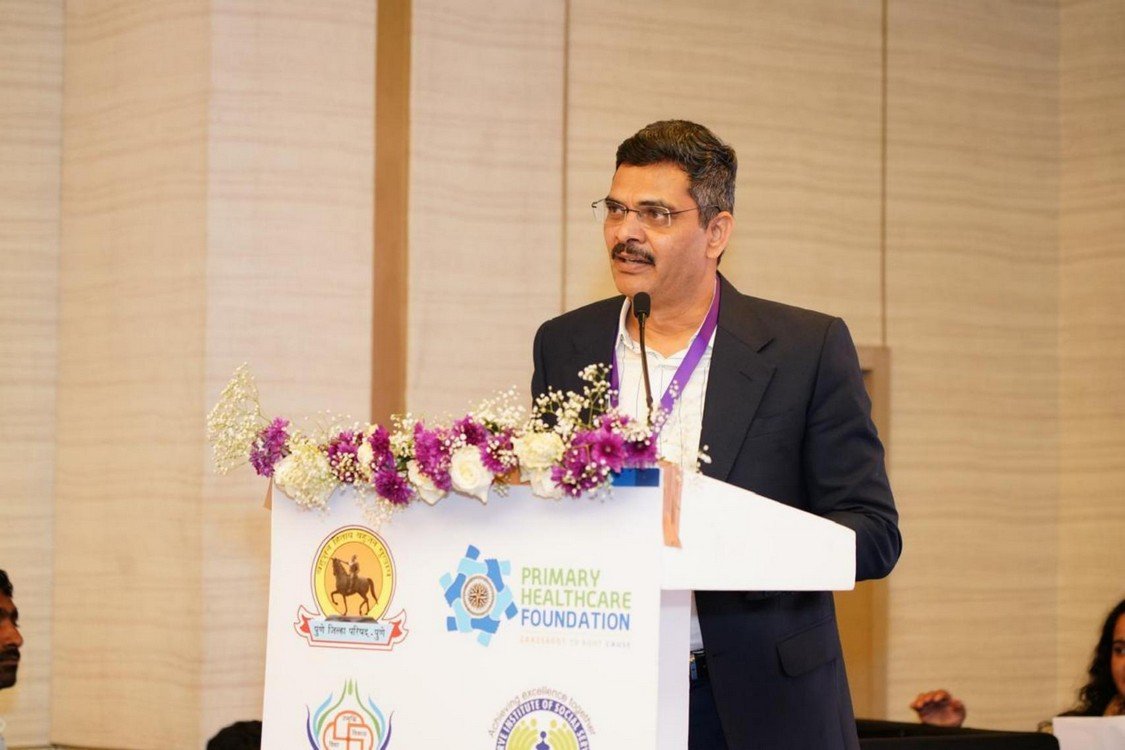
Mr G. D. Patil, IAS, addressing the Conclave
Mr G. D. Patil, IAS, CEO, Zilla Parishad, Pune

The District Administration's View

Mr G. D. Patil, IAS, CEO, Zilla Parishad, Pune

CSR funding and government schemes often tackle the same problems in the same villages without sharing information, wasting effort and leaving gaps neither side can see. He proposed practical shared tools:

  • District CSR Digital Portal โ€“ a shared record of which projects run where, and for whom
  • Gap mapping โ€“ identifying villages and sectors with no CSR activity
  • Convergence dashboard โ€“ aligning CSR projects with government schemes in the same area
  • Integrated Village Development Index โ€“ one composite score to prioritise need
  • CSR Convergence & Learning Forum and a "CSR War Room" to resolve coordination issues in real time
Key takeawayA national template tells you how well a project worked; district coordination tells you whether it was aimed at the right place. The two must work together.
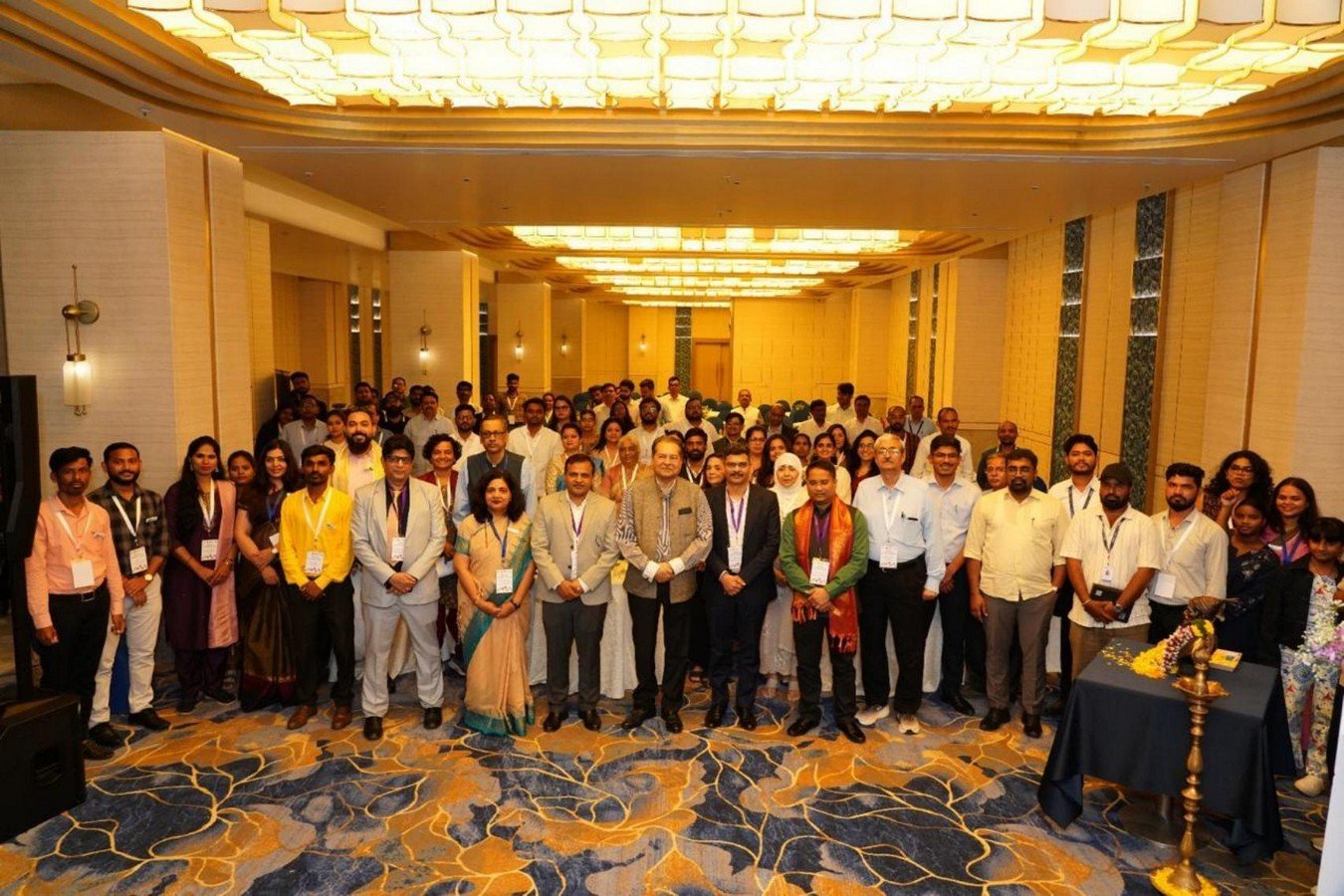
Delegates of the CSR 2.0 Conclave
Delegates and speakers of the CSR 2.0 Conclave

Keynote: The CSR Impact Assessment Framework

Dr Bhaskar Chatterjee & Dr Debabrata Samanta

Dr Bhaskar Chatterjee, former Secretary to the Government of India, Chairman of the BIS National Sustainability Reporting and Disclosure Standards Committee and widely called the father of Indian CSR, presented a draft framework with Dr Debabrata Samanta, Assistant Professor and Area Chair in Economics at CIMP.

Built on a Theory of Change approach, tracing inputs through activities and outputs to outcomes and lasting impact, it combines OECD-DAC evaluation criteria with an India-specific test of SDG contribution, illustrated through an English-language upskilling project in Gaya district, Bihar.

  • Numbers + people's own accounts
  • Beneficiary voice built in
  • Disaggregated findings
  • Report failures honestly
Key takeawayImpact is a chain, from inputs to lasting change, measured honestly at every link and reported as openly about what went wrong as what went right.
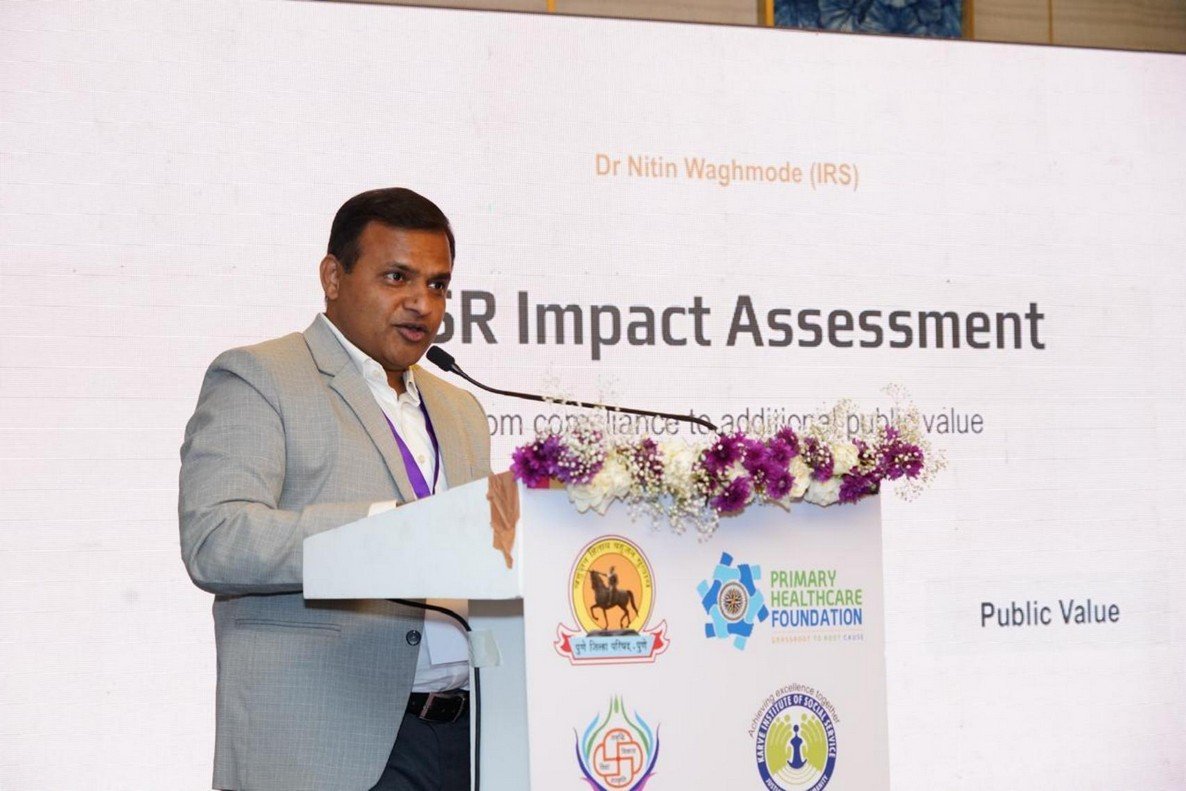
Dr Nitin Waghmode addressing the Conclave
Dr Nitin Waghmode on financial integrity

Financial Integrity in CSR

Dr Nitin Waghmode, IRS, Income Tax Commissioner

Bringing the regulator's view, he asked whether CSR money can actually be traced: if the funds cannot be verified, even excellent reported outcomes rest on weak ground. He proposed an Institutional Compliance Passport for every implementing organisation and a Money to Impact Trail linking each rupee to a claimed result.

Three core tests: spent for the stated purpose, in the period claimed, and in the amount reported. Five layers of assurance: statutory filings, internal controls, independent audit, field verification and public disclosure.

Key takeawayAn impact assessment is only as credible as the money trail behind it. Financial integrity is a precondition for social impact assessment.
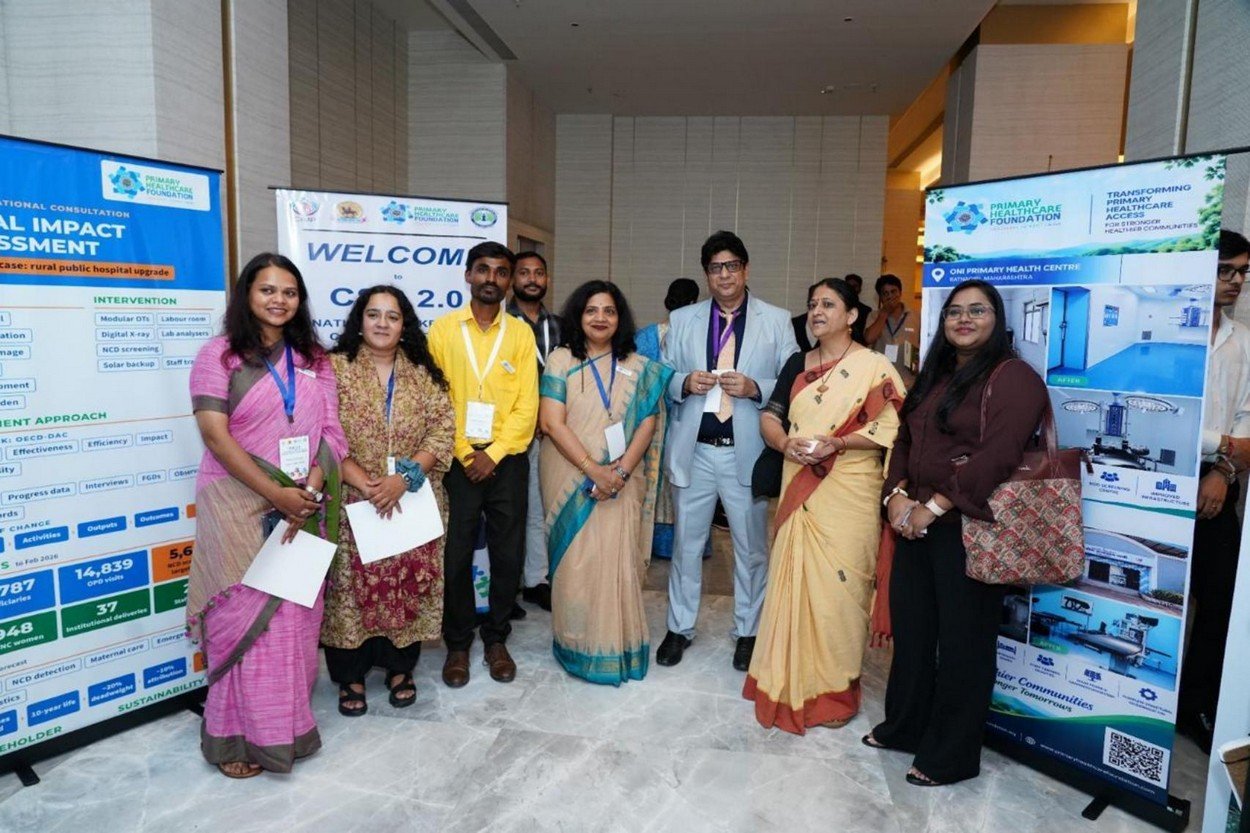
PHCF team at the information exhibition
Delegates at the information exhibition

Primary Healthcare Foundation's Recommendations

Dr Manisha Palaskar, President, PHCF

Drawing on years of running and evaluating grassroots health projects, PHCF proposed refinements to the draft National CSR Assessment Template (NCAT) across five areas:

  • Template structure: common core, methodology section and sector annexure
  • Evidence grading, with project drop-outs still counted in
  • Measuring real added value: Additionality Ratio, Public System Leverage Ratio, Catalytic Value Index and SROI
  • Post-project continuity checks at six and twelve months
  • Data integrity, with AI limited to flagging issues for human review
Key takeawayGo beyond outputs: measure real additional value, check that results last, and keep a human in charge of every judgement.
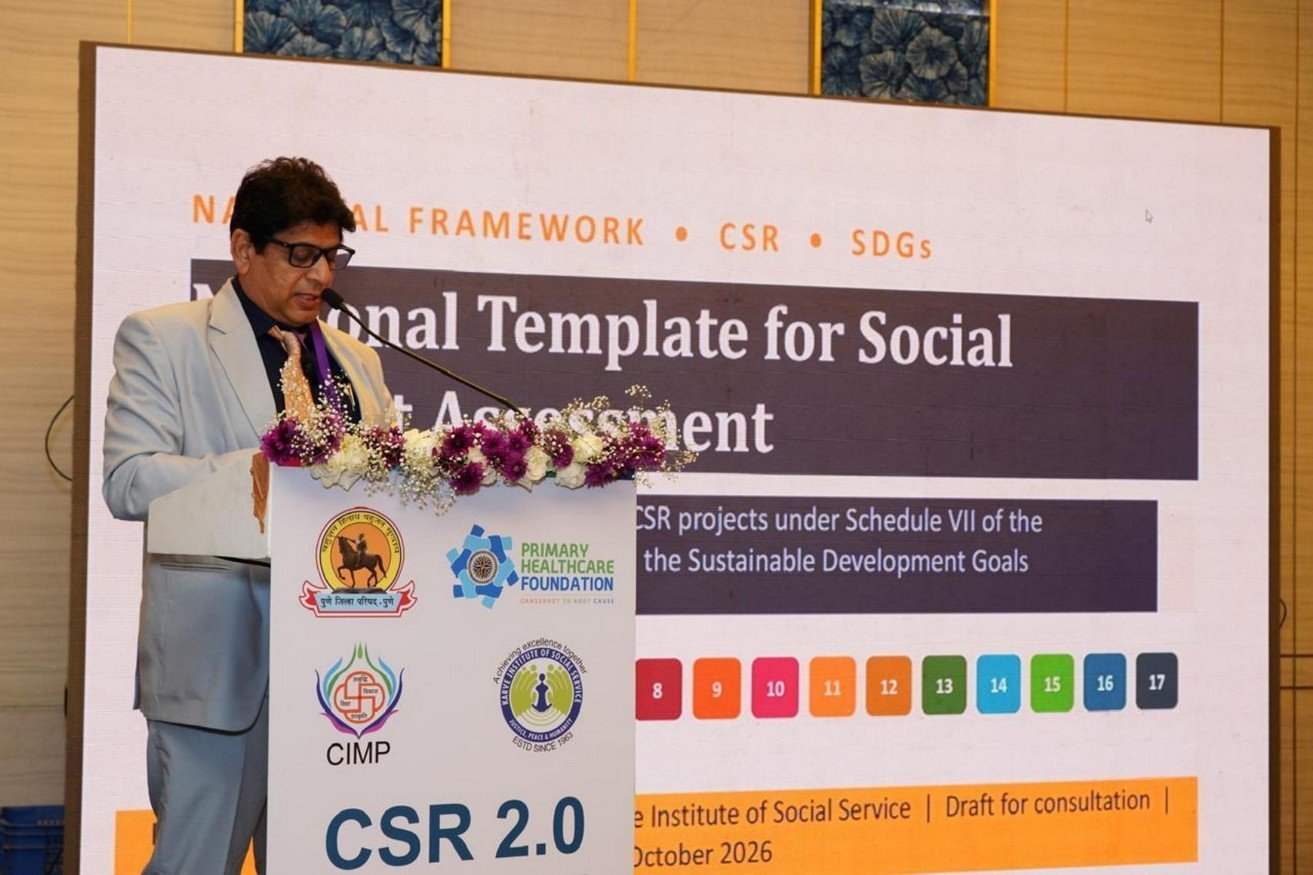
Dr Mahesh Thakur presenting the National Template for Social Impact Assessment
Dr Mahesh Thakur presenting the draft National Template

National Template for Social Impact Assessment

Prof. (Dr.) Mahesh Thakur, Director, Karve Institute of Social Service

The Karve Institute's draft proposes a standard method for assessing every CSR project under Schedule VII of the Companies Act, 2013, aligned with the SDGs. It maps each CSR activity area to specific SDG targets and indicators, scales assessment depth across three tiers by budget and risk, and ties every tool to one of seven standard evaluation questions, from relevance and effectiveness to sustainability and SDG contribution.

Key takeawayA national template only works if it scales, making rigorous assessment realistic even for modest-sized CSR projects.
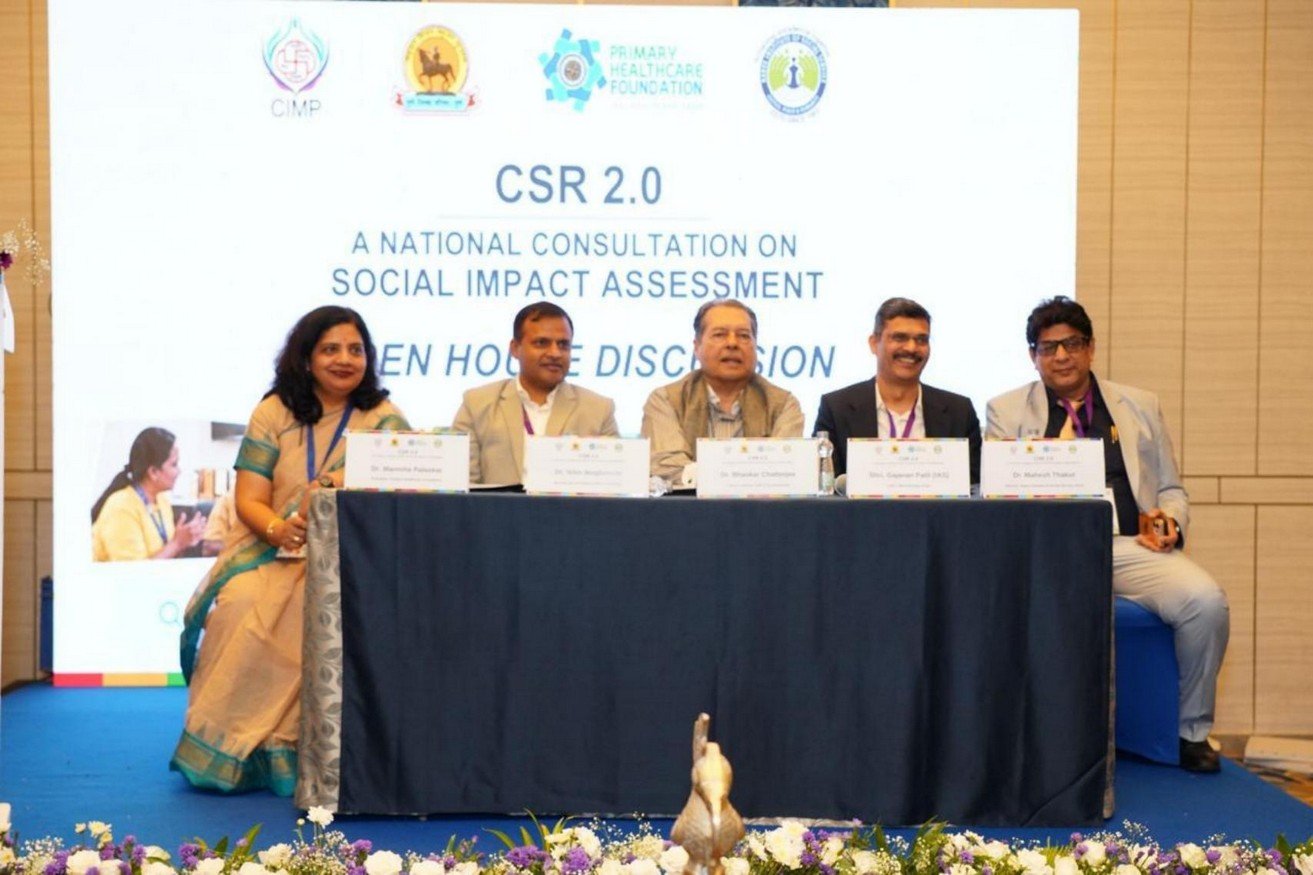
Panel at the Open House Discussion
The panel taking questions at the Open House

Open House Discussion

Moderated by Prof Rohan Sarma

Delegates from implementing agencies, corporate CSR teams and academic institutions questioned the panel on:

  • How quickly a national template could realistically be adopted
  • How small non-profits and smaller companies can meet evidence requirements without heavy cost
  • How the Institutional Compliance Passport and SDG mapping tools could work together in practice
Outcomes

Closing remarks and the way forward

Closing Remarks

Dr Bhaskar Chatterjee

He drew together the day's threads: a shared framework to measure impact, a financial trail to back it, district coordination to aim it correctly, and a national repository to improve it over time. He called the day a genuine first step and invited every organisation to test the draft framework on its own projects and share what worked and what did not.

Way Forward

PHCF and its partners will take the draft National CSR Assessment Template forward, incorporating feedback from the Open House, with a further round of consultation expected before the template is finalised for wider adoption.

Felicitation & Vote of Thanks

PHCF felicitated the guest speakers with a memento. Dr Manisha Palaskar delivered the vote of thanks to the speakers, partner institutions and delegates, followed by high tea and informal conversations.

Help shape the National CSR Assessment Template

PHCF thanks CIMP, Zilla Parishad Pune and the Karve Institute of Social Service for their partnership, and every speaker, panellist and delegate who contributed. We welcome feedback from organisations that test the draft framework on their own projects.